Introduction
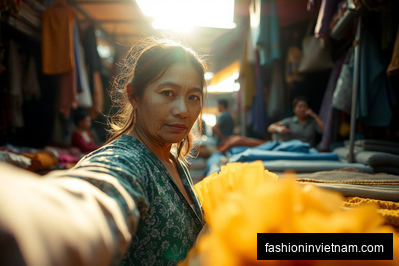
Vietnamese textiles represent a vibrant and intricate tapestry of history, culture, and artistry that dates back thousands of years. This form of art is not just a means of clothing but a symbol of the rich heritage and the meticulous craftsmanship that goes into the creation of each piece. From the high mountains of Sapa to the bustling markets of Hanoi, textiles in Vietnam tell a story of diversity, tradition, and the livelihood of its people. This journey through patterns and colors explores the depth and breadth of Vietnamese textiles, shedding light on its significance, the variety of textiles produced, and the processes behind their creation.
Vietnamese textiles are deeply entwined with the country's history, reflecting influences from both indigenous cultures and foreign trade partnerships. The art of textile making in Vietnam encompasses a range of techniques including weaving, dyeing, and embroidery, each with its own unique set of patterns, colors, and materials. This blog post delves into the heart of Vietnamese textile art, exploring the traditional methods, the evolution of styles, and the impact of this art form on both local communities and the global fashion industry.
In delving deeper into the realm of Vietnamese textiles, the introduction serves as a gateway to understanding the intricate techniques and symbolism embedded within each fabric. From the meticulous hand embroidery of Hmong tribes to the traditional indigo dyeing methods of the Cham people, this section sets the stage for a captivating exploration of Vietnam's rich textile heritage.
The Tapestry of Techniques: Weaving, Dyeing, and Embroidery
At the core of Vietnamese textile art are three primary techniques: weaving, dyeing, and embroidery. Weaving in Vietnam is predominantly done using looms, with bamboo and wood being the most common materials used for making these traditional machines. The intricate patterns found in Vietnamese textiles are often inspired by nature, with motifs of flowers, animals, and geometric shapes. The traditional weaving villages, such as those in the northern province of Ninh Binh, have been keeping this ancient technique alive for generations.
Dyeing is another essential process in the creation of Vietnamese textiles, with natural dyes being preferred for their vivid colors and environmental benefits. Indigo is a commonly used dye, known for its deep blue color, which symbolizes the sky and sea. The art of dyeing is not just about color but also involves complex techniques to create patterns using resist dyeing methods, such as batik and tritik.
Embroidery in Vietnam adds depth and detail to textiles, turning them into intricate works of art. This technique is particularly prominent in the creation of traditional attire, such as the Ao Dai, where embroidery adds elegance and richness. The craft of embroidery is often passed down through generations, with each region developing its own distinctive style and motifs.
Exploring the intricate art of weaving, the Vietnamese artisans skillfully intertwine vibrant threads to create mesmerizing patterns. Their dyeing techniques, enriched by natural indigo hues, infuse each fabric with a story of tradition and culture. Furthermore, the delicate embroidery stitches, like tiny whispers of history, adorn these textiles with tales of generations past.
Patterns and Motifs: A Language of Symbols
Vietnamese textiles are rich in patterns and motifs, each carrying its own meaning and symbolism. These designs are more than just aesthetic elements; they are a language that communicates stories, beliefs, and wishes. The lotus flower, for example, is a recurring motif in Vietnamese textiles, symbolizing purity, beauty, and spiritual enlightenment. Similarly, the dragon, a mythical creature revered in Vietnamese culture, represents power, nobility, and good fortune.
Geometric patterns are also prevalent in Vietnamese textiles, often inspired by the natural surroundings. The use of circles, squares, and triangles is not random but is carefully calculated to represent harmony, balance, and the continuity of life. These patterns are painstakingly created through the precise arrangement of threads and colors, showcasing the artist's skill and attention to detail.
Exploring further, the lotus flower motif in Vietnamese textiles symbolizes purity and enlightenment, reflecting cultural values. Additionally, the "double happiness" symbol signifies joy and harmony in Chinese fabrics, highlighting the universal language of symbols across cultures.
The Cultural Significance of Vietnamese Textiles
Vietnamese textiles are deeply rooted in the country's cultural identity, serving as a bridge between the past and the present. They play a crucial role in rituals, festivals, and everyday life, embodying the values and traditions of the Vietnamese people. In many ethnic communities, textiles are seen as heirlooms, passed down from one generation to the next, each piece telling a story of family history and cultural heritage.
The art of textile making also contributes significantly to the livelihood of many communities, particularly those in rural areas. For these artisans, textile making is not just a craft but a way of life that sustains their families and preserves their cultural heritage. The global interest in sustainable and ethically made products has brought renewed attention to Vietnamese textiles, offering new opportunities for these communities to showcase their art on the world stage.
Beyond their aesthetic appeal, Vietnamese textiles embody the spiritual beliefs of the culture. For instance, intricate patterns in traditional garments symbolize prosperity and luck, reflecting the deep-rooted values and superstitions prevalent in Vietnamese society.
The Global Influence of Vietnamese Textiles
The unique beauty and craftsmanship of Vietnamese textiles have captured the attention of the global fashion industry. Designers and brands are increasingly incorporating traditional Vietnamese textiles into their collections, drawn by their rich textures, vibrant colors, and intricate patterns. This fusion of traditional and modern has not only elevated the profile of Vietnamese textiles but has also created a dialogue between cultures, fostering a greater appreciation for traditional craftsmanship in a contemporary context.
Moreover, the sustainable and ethical aspects of Vietnamese textile production align with the growing demand for responsible fashion. By choosing textiles that are handcrafted using traditional methods and natural materials, consumers are supporting not only environmental sustainability but also the artisans and their communities.
The global influence of Vietnamese textiles extends beyond fashion, influencing interior design trends worldwide. From traditional ao dai motifs adorning modern home decor to the vibrant hues of Hmong textiles inspiring contemporary art pieces, Vietnamese textile heritage continues to shape diverse creative industries.
Conclusion
The art of Vietnamese textiles is a testament to the country's rich cultural heritage and the incredible skill of its artisans. Through the intricate patterns and vibrant colors of these textiles, we gain insight into the values, beliefs, and traditions of the Vietnamese people. As this art form continues to evolve, it remains an integral part of Vietnam's identity, bridging the gap between tradition and modernity, and between local communities and the global market. The journey through the patterns and colors of Vietnamese textiles is not just an exploration of an ancient craft but a celebration of the enduring spirit of its people.
For those looking to explore Vietnamese textiles further, consider visiting the traditional weaving villages, attending textile workshops, or supporting ethical brands that collaborate with Vietnamese artisans. By doing so, you contribute to the preservation of this invaluable art form and the livelihood of the communities behind it.
In conclusion, the intricate patterns and vibrant colors found in Vietnamese textiles not only showcase the country's artistic prowess but also reflect its deep-rooted traditions and history. Each stitch tells a story, weaving together the past and present in a harmonious tapestry of culture.